What are the differences between National Parks and National Forests?
Photo by the U.S. Forest Service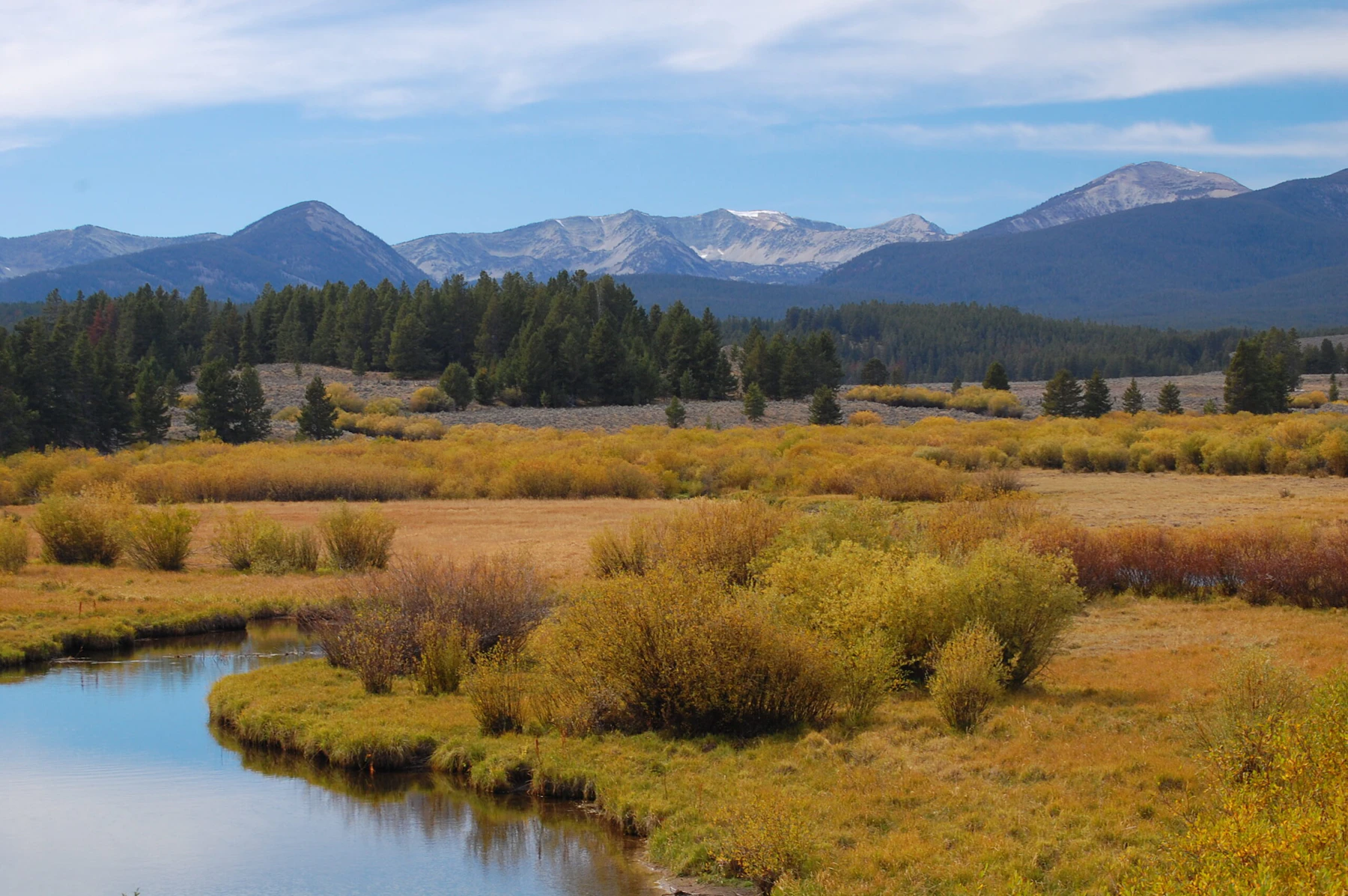
At first glance, our nation’s National Parks and National Forests may appear to be just about the same thing, with both as public lands. Under closer comparison though, each has their own unique history and priorities.
Important Dates
National Forests
- 1891 – Forest Reserve Act, allowed the President to establish forest reserves. Shoshone National Forest set aside, originally part of the Yellowstone Timberland Reserve.
- 1905 – Transfer of forests from Department of Interior to Department of Agriculture. U.S. Forest Service created.
National Parks
- 1872 – Yellowstone National Park established as first National Park.
- 1916 – National Park Service created.
Every visit earns a unique collectible badge, saved permanently to your profile.
Start CollectingManagement
National Forests are managed by the Department of Agriculture. National Parks are managed by the Department of Interior.
Mission and Purpose
Perhaps the greatest difference between the two is the multiple use mandate for National Forests. While National Parks are highly vested in preservation, barely altering the existing state of the land, National Forests are managed for many purposes—timber, recreation, grazing, wildlife, fish and more.
The mission of the USDA Forest Service is to sustain the health, diversity, and productivity of the Nation’s forests and grasslands to meet the needs of present and future generations.
The National Park Service preserves unimpaired the natural and cultural resources and values of the National Park System for enjoyment, education, and inspiration of this and future generations.
National Forest land is managed, “to provide the greatest amount of good for the greatest amount of people in the long run.”
Gifford PinchotFirst Chief of the Forest Service
Size
The National Forests & Grassland System is 193 million acres and includes 154 National Forests, 20 National Grasslands, and 1 National Tallgrass Prairie. That is over twice as large as the National Park System.
The National Park System is 84 million acres spanning 397 areas, including National Parks, monuments, battlefields, military parks, historical parks, historic sites, lakeshores, seashores, recreation areas, scenic rivers and trails, and the White House.


Our Forests Need Us Today.
Your donation powers critical, on-the-ground conservation—from wildfire recovery to watershed restoration—protecting forests for the future.